

The Evolution of Web3 Art: From Speculation to Sustainable Value
By Darren Smith
May 17, 2026
The frenzy of 2021–2022 feels like ancient history. Web3 art—once synonymous with overnight million-dollar NFT flips and celebrity-driven speculation—has matured into a quieter, more resilient force reshaping how art is created, owned, collected, and preserved. In 2026, the conversation has shifted from “How much did it sell for?” to “What does ownership actually enable?”
This evolution marks a profound maturation. Digital art no longer sits in opposition to the traditional art world; it intertwines with it. Museums like MoMA and the Whitney have acquired significant blockchain-native works, while major fairs such as Art Basel Miami Beach introduced dedicated digital sections like Zero 10. Galleries that once dismissed NFTs now represent generative artists whose code-based works translate into physical prints and institutional exhibitions.
A Market Reset and Refocus on Utility
The numbers tell a story of contraction followed by structural strengthening. After the boom-and-bust, NFT trading volumes stabilized at more modest but sustainable levels by 2025–2026. Speculative flipping gave way to long-term collecting, with greater emphasis on provenance, built-in artist royalties via smart contracts, and real utility for collectors.
Platforms like Art Blocks continue to lead in generative art, curating algorithm-driven pieces that evolve with code and collector interaction. Projects such as Tyler Hobbs’ collaborative “Please Respond” series demonstrate onchain creativity in action—artists handing off evolving works while preserving visible history on platforms like Shape.
Generative art stands out as a cornerstone. Artists use algorithms and, increasingly, AI tools to produce unique or editioned works. Collectors don’t just own a static image; they own parameters, future iterations, or even governance rights over the piece’s evolution. This programmability distinguishes Web3 art from traditional digital files.
Hybrid models thrive. Traditional painters mint limited-edition NFTs alongside physical canvases. Code artists secure gallery representation and see their algorithms rendered in museum-scale installations. This “beyond the canvas and the chain” approach bridges audiences and validates the medium.
Tokenization, Provenance, and New Economic Models
Blockchain’s core promise—verifiable ownership and transparent history—delivers lasting value in 2026. Smart contracts automatically enforce royalties on secondary sales, providing artists ongoing income in ways the traditional market rarely matches. Digital twins and tokenized provenance extend to physical works, reducing forgery risks and enhancing trust in both primary and secondary markets.
RWA (Real-World Asset) tokenization expands into art, allowing fractional ownership of high-value pieces or catalogs. This democratizes access while maintaining liquidity. Luxury brands and institutions experiment with digital assets that complement physical products, blending fashion, design, and art.
Challenges persist. IP rights, regulatory clarity across jurisdictions, and environmental concerns around certain blockchains require ongoing attention. Yet, the focus on compliant, energy-efficient networks and utility-driven projects signals a healthier ecosystem. Marketplaces like SuperRare emphasize curated, high-quality works, while broader platforms support diverse creators.
Cultural Impact and Institutional Embrace
Web3 art’s deepest influence may be cultural. It empowers creators with direct fan relationships and programmable economics. Collectors gain transparent histories and participatory experiences. Institutions recognize digital works as legitimate art historical records, acquiring them for preservation.
Events like Art on Tezos and residencies blending traditional and blockchain practices foster dialogue. Books such as Art on the Blockchain (2026) document the crypto avant-garde’s integration into the wider art world, highlighting unity rather than division.
In 2026, Web3 art feels less like a revolution and more like infrastructure—foundational technology quietly enabling new forms of creativity and stewardship. Generative systems, onchain collaboration, and tokenized ownership expand what “art” can be in the digital age.
The speculative gold rush has subsided, replaced by builders, curators, and collectors focused on longevity. As one prominent voice in the space noted, supporting Web3 artists isn’t just good for the market—it sustains innovation at the intersection of technology and human expression.
Explore the evolving landscape today. Visit platforms like Art Blocks or objkt.com to discover generative works, follow hybrid exhibitions at major fairs, or dive into onchain collections that align with your interests. Whether you’re an artist minting your first piece, a collector seeking provenance-driven assets, or simply curious about digital creativity’s future, Web3 art offers tools to own, participate in, and preserve culture like never before. The canvas is onchain—what will you create or collect next?
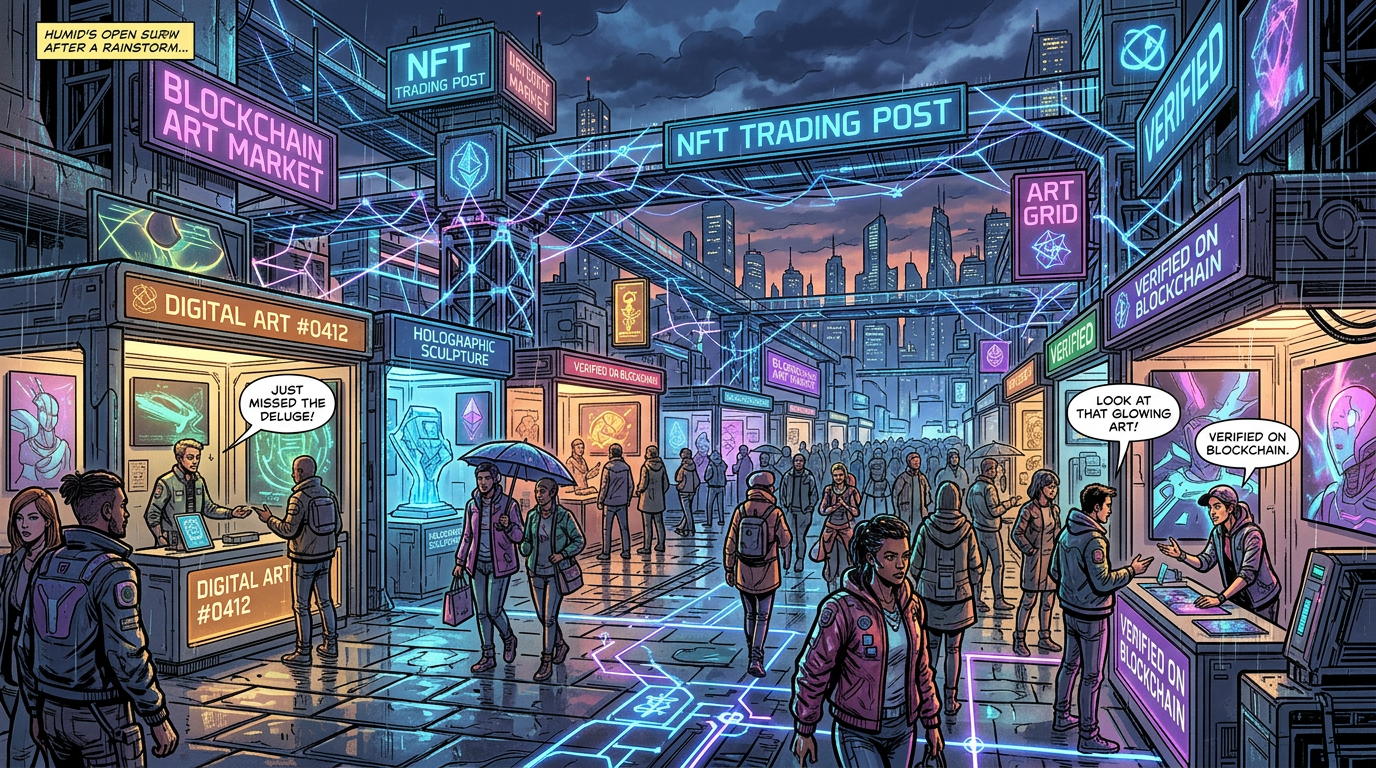
Cover image is Ai generated

