


Crypto Robbery Ring Busted: $6.5M Stolen in Brutal Home Invasions
By Darren Smith
May 14, 2026
In a dramatic escalation of crypto-related crime, federal authorities announced this week the court appearances and ongoing prosecution of Tennessee men accused of orchestrating a violent robbery spree that netted approximately $6.5 million in cryptocurrency from victims in the San Francisco Bay Area and Los Angeles. The May 13, 2026, federal court proceedings in San Francisco highlight a troubling trend: in 2026, digital assets are no longer just targets for online scams—they are drawing masked intruders posing as delivery drivers.
A federal grand jury indicted Elijah Armstrong (21), Nino Chindavanh (21), and Jayden Rucker (25), all of Tennessee, on charges including conspiracy to commit Hobbs Act robbery, conspiracy to commit kidnapping, attempted Hobbs Act robbery, and attempted kidnapping. Prosecutors allege the trio targeted individuals known to hold significant crypto holdings, using social engineering and physical force to steal millions.
According to court documents, the men impersonated UPS, DoorDash, and pizza delivery personnel to gain entry into victims’ homes. Once inside, they used threats, zip ties, and guns to force victims to transfer Bitcoin, Ethereum, and other assets. One high-profile Bay Area incident involved a victim losing millions after being held at gunpoint.
“This isn’t your typical phishing scam,” said a federal prosecutor. “These defendants allegedly brought real-world violence into the cryptocurrency space.”
The Rise of Hybrid Crypto Crime
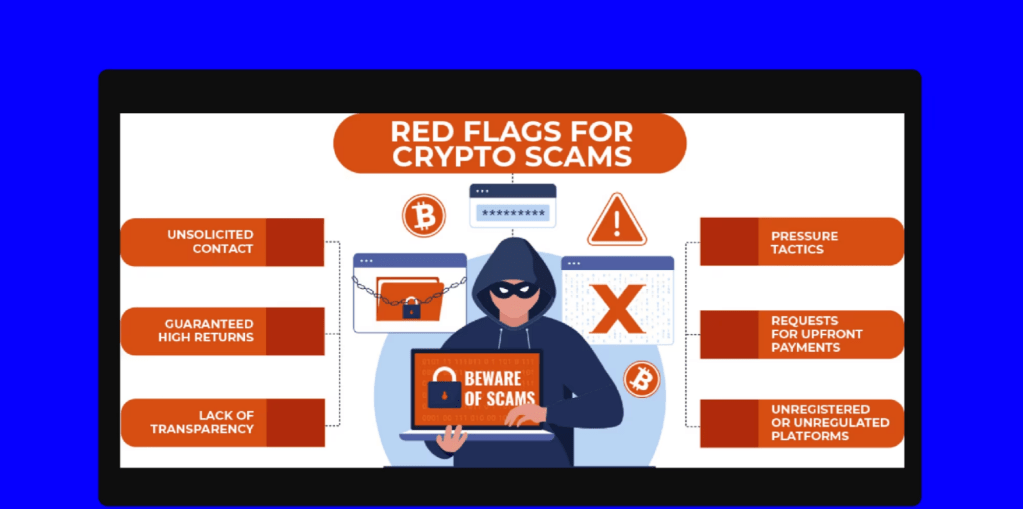
Crypto crime continues to evolve. While online investment scams and pig-butchering operations still dominate losses, physical robberies tied to blockchain intelligence are growing more sophisticated.
Chainalysis’s 2026 Crypto Crime Report estimates roughly $17 billion lost to scams and fraud in 2025, with investment schemes forming the bulk. Physical “wrench attacks” and home invasions, though rarer, are rising as criminals combine on-chain data with traditional strong-arm tactics.
On the same day as recent court developments, blockchain investigator ZachXBT publicly exposed an 18-year-old U.S. resident, Dritan Kapllani Jr., allegedly linked to nearly $19 million in social-engineering thefts—further illustrating how young actors exploit the ecosystem.
Broader Scam Landscape
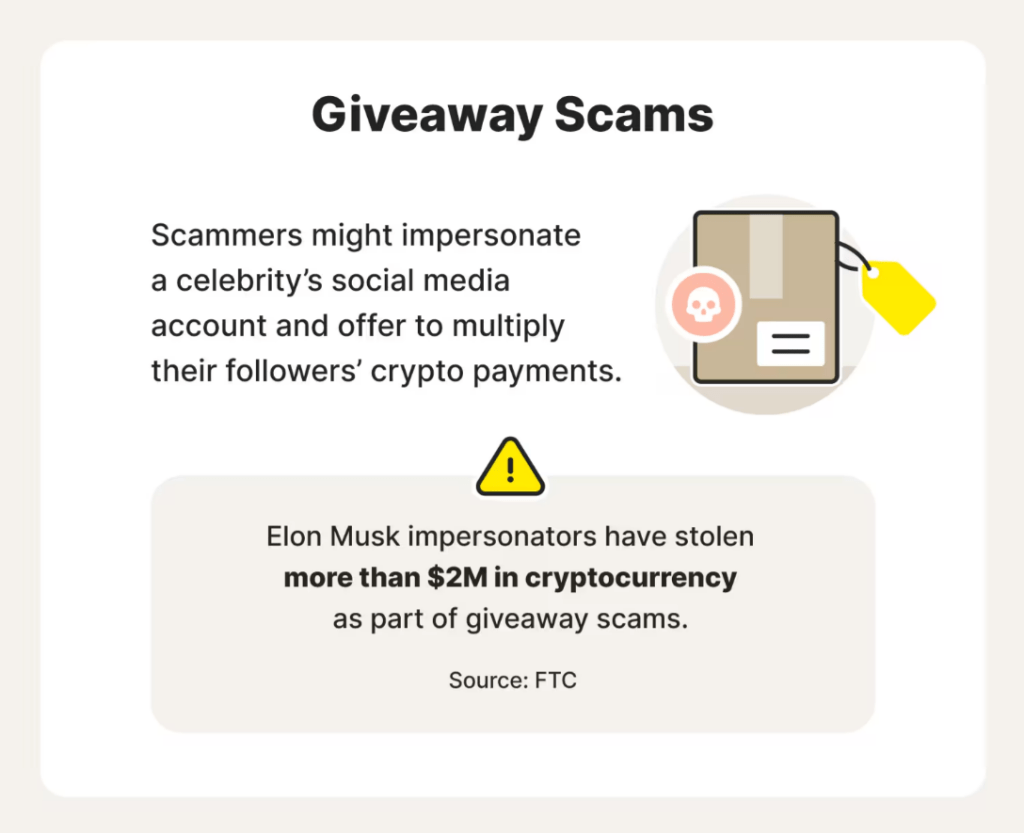
This case sits alongside persistent digital threats: AI-powered deepfakes, fake giveaway scams impersonating celebrities, address poisoning, and recovery frauds. Regulatory agencies like California’s DFPI and the U.S. Justice Department continue aggressive enforcement against both domestic rings and overseas compounds using forced labor for crypto fraud.

Prevention Tips for 2026
- Never share seed phrases or private keys—even under duress. Use multisig wallets with time-locks.
- Verify all unexpected visitors through official apps; do not open doors blindly.
- Minimize public displays of wealth or transaction details on social media.
- Store hardware wallets offline and monitor addresses with tools like Etherscan or professional analytics.
- Report incidents immediately to the FBI’s IC3 and local authorities.

The defendants face decades in federal prison if convicted. A potential ringleader or additional accomplices may still be at large.
As Bitcoin prices hover near highs and mainstream adoption accelerates, yesterday’s headlines serve as a stark reminder: your private keys are your responsibility—but physical security has become part of the threat model. Hybrid crimes like these are setting new legal precedents in the crypto era.
